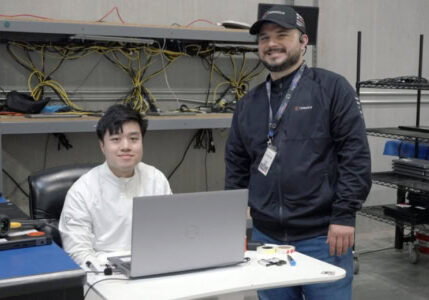
IT Lifecycle Management: A Competitive Advantage for Modern Enterprises
Discover how IT lifecycle management helps modern enterprises cut costs, reduce risk, boost productivity, and turn IT assets into a competitive advantage.
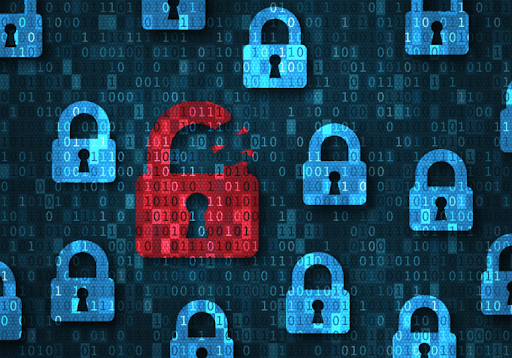
How Secure IT Asset Disposition Mitigates Data Breach Risks
As cyber threats continue to evolve, organizations often focus their efforts on firewalls, endpoint protection, and employee training. Yet one of the most overlooked vulnerabilities in IT security is what happens when devices reach the end of their life cycle. Improper IT asset disposition (ITAD) can expose companies to significant data breach risks, regulatory penalties,…
Maximizing IT Asset Value Through Lifecycle Management
In a hybrid work landscape, where enterprise IT environments are more distributed and complex than ever before, managing technology assets has moved from a background function to a strategic priority. From the first purchase order to the final device wipe, each moment in the IT asset lifecycle represents an opportunity to extract value, improve operational…
From IT Closet to Circular Economy: Making the Most of Surplus Technology
Why Your IT Closet Needs an Upgrade Somewhere in your building, maybe down the hall or tucked behind a server room door, there’s an IT closet filled with forgotten tech. Retired laptops. Tangled cords. Servers that haven’t powered up in years. What’s inside isn’t just clutter; it’s potential value, lost. In most enterprises, surplus IT…
The True Cost of Ignoring ITAD
Did you know that an old server hard drive could cost your business $35 million in fees and penalties? This scenario may sound outrageous, but that’s what happened to banking giant Morgan Stanley. The company was fined $35 million by the SEC for improper disposal of hard drives that were later sold at auction. IT…
Remarketing vs. Buybacks: Key Differences in IT Asset Management
You just started a new position as the IT manager at a mid-size firm. Your predecessor left you with a sizable backlog of decommissioned hardware. The data stored on those retired devices renders them a potential security risk, so you can’t just toss them in the dumpster and be done with it. That’s also bad for the environment, and it runs counter to the company’s sustainability objectives. For now, those devices are just taking up space, and they’re losing value by the day.
The Shift from a Linear Economy to Circular Tech: A Smarter, Sustainable Future
For years, the technology industry followed a linear economy model—devices were produced, consumed, and discarded with little thought for sustainability. This approach resulted in massive e-waste, environmental harm, and lost financial opportunities.
The Top 5 Benefits of IT Asset Buybacks for Your Business
IT asset management has come into sharp focus in recent years as data security, environmental stewardship, and the need for improved cost efficiency have garnered increased attention. Today, IT asset buyback programs play a critical role within the larger context of IT lifecycle management.
7 Strategies For Getting the Most Out of IT Asset Disposition (ITAD)
Frequent technology assessments and upgrades are essential to maintain a competitive edge for businesses. Rapid turnover often leaves companies with a surplus of outdated IT assets. This is where IT Asset Disposition (ITAD) comes in.When done effectively, ITAD ensures the secure and environmentally responsible disposal of obsolete assets and helps maximize return on investment (ROI). Here are 7 tips on maximizing ROI with a strategic ITAD approach.
3 Emerging Trends in IT Logistics
Staying ahead of emerging trends is crucial for businesses seeking to enhance efficiency, reduce costs, and maintain a competitive edge. The modern demands of IT logistics go beyond transportation and storage; they require innovative solutions that align with technological advancements and the growing complexity of IT asset management.